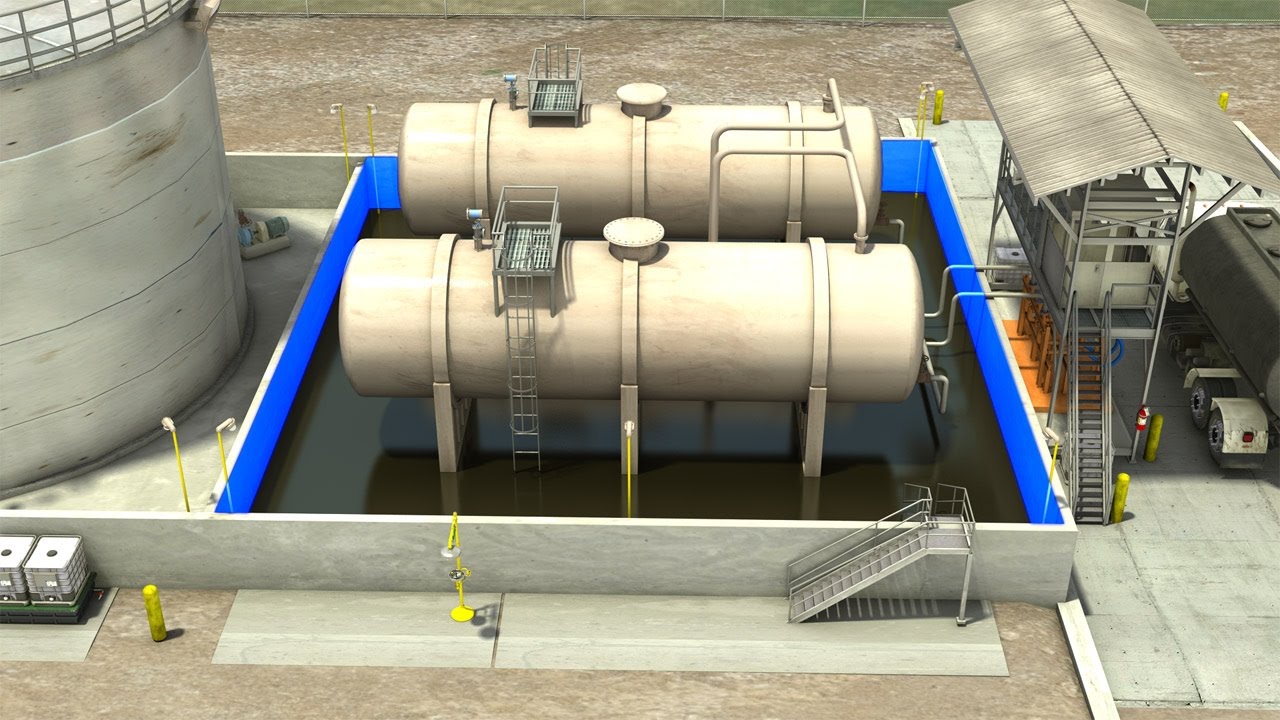
Secondary containment
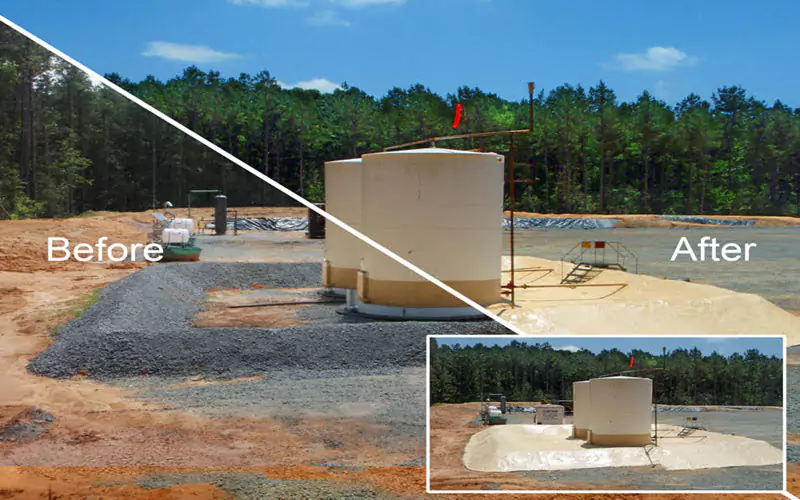
Berms, dikes and walls around bulk tanks — sized to hold the volume if a tank lets go.
We help contractors and entrepreneurs launch and grow a polyurea chemical-containment coating business — the right spray rig, proven materials, hands-on training and a plan for landing your first jobs.
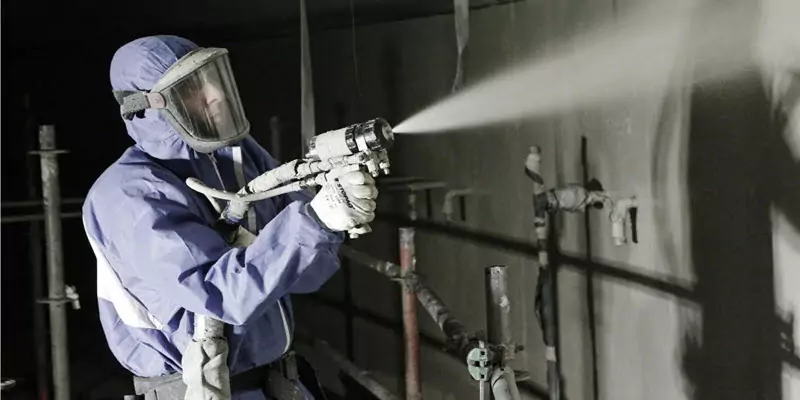
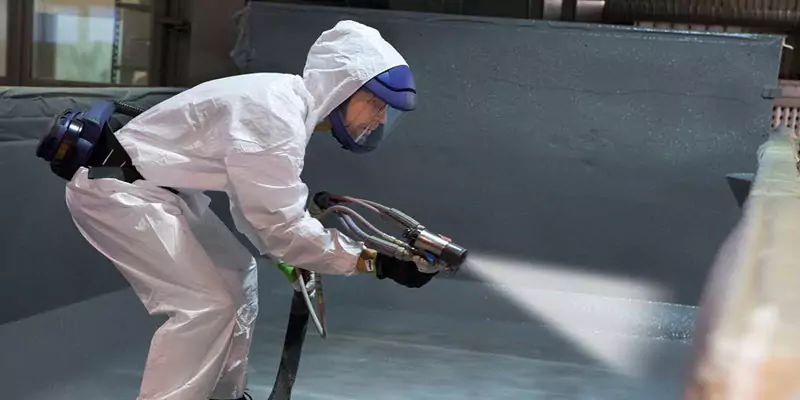
Polyurea turns concrete, steel and earthen containment into a seamless, chemical-resistant barrier. These are the jobs our applicators spray every week.
Berms, dikes and walls around bulk tanks — sized to hold the volume if a tank lets go.
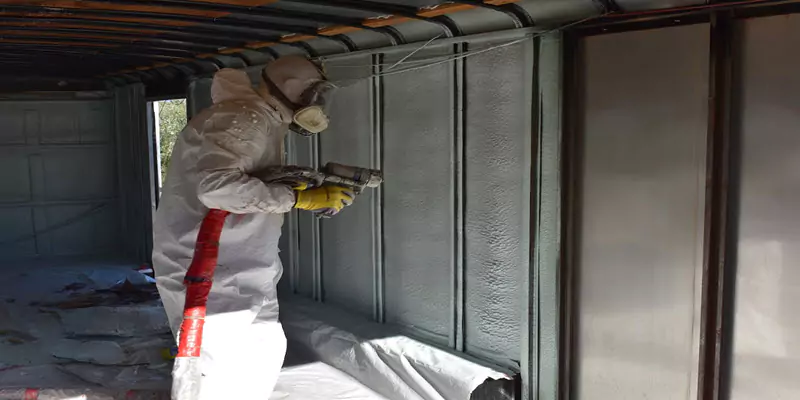
Interior and exterior linings for steel and concrete tanks, vaults and process vessels.
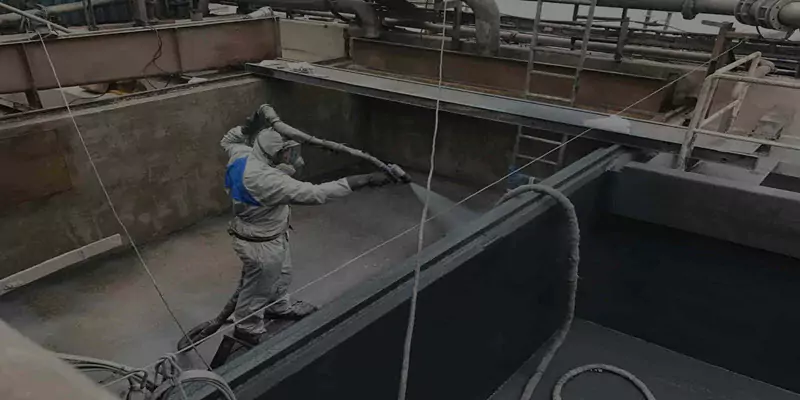
The low points where everything collects — detailed, sealed and built up at every corner.
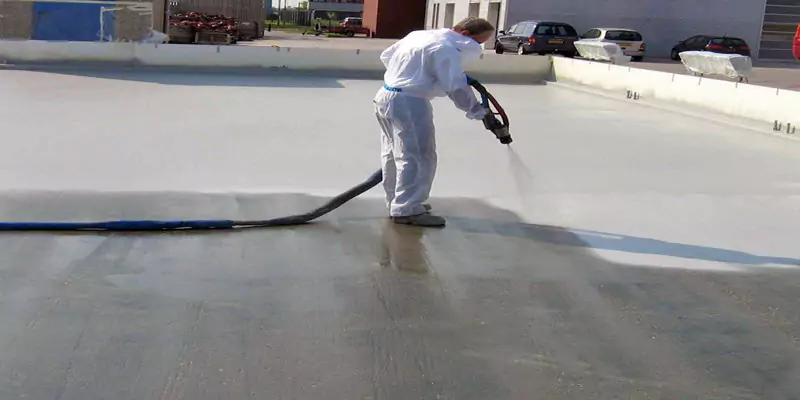
Transfer and unloading areas that see spills, traffic and weather every single day.
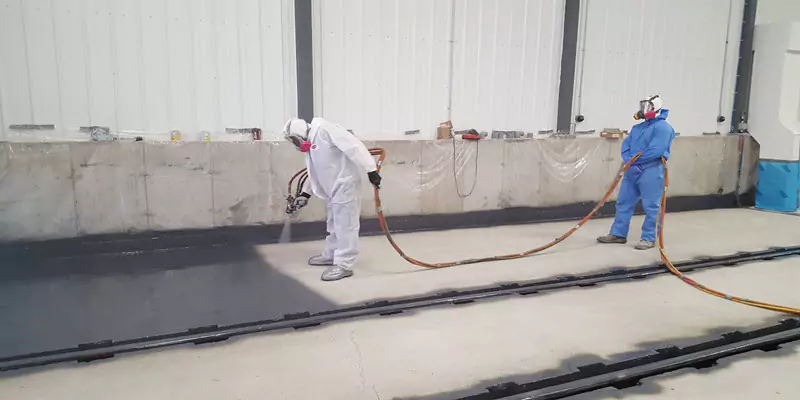
Chemical-resistant floors for warehouses, drum storage and manufacturing plants.
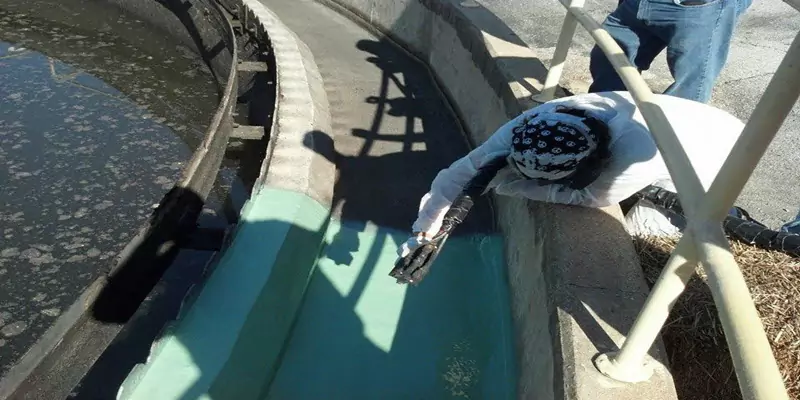
Clarifiers, basins and channels exposed to constant immersion and harsh chemistry.
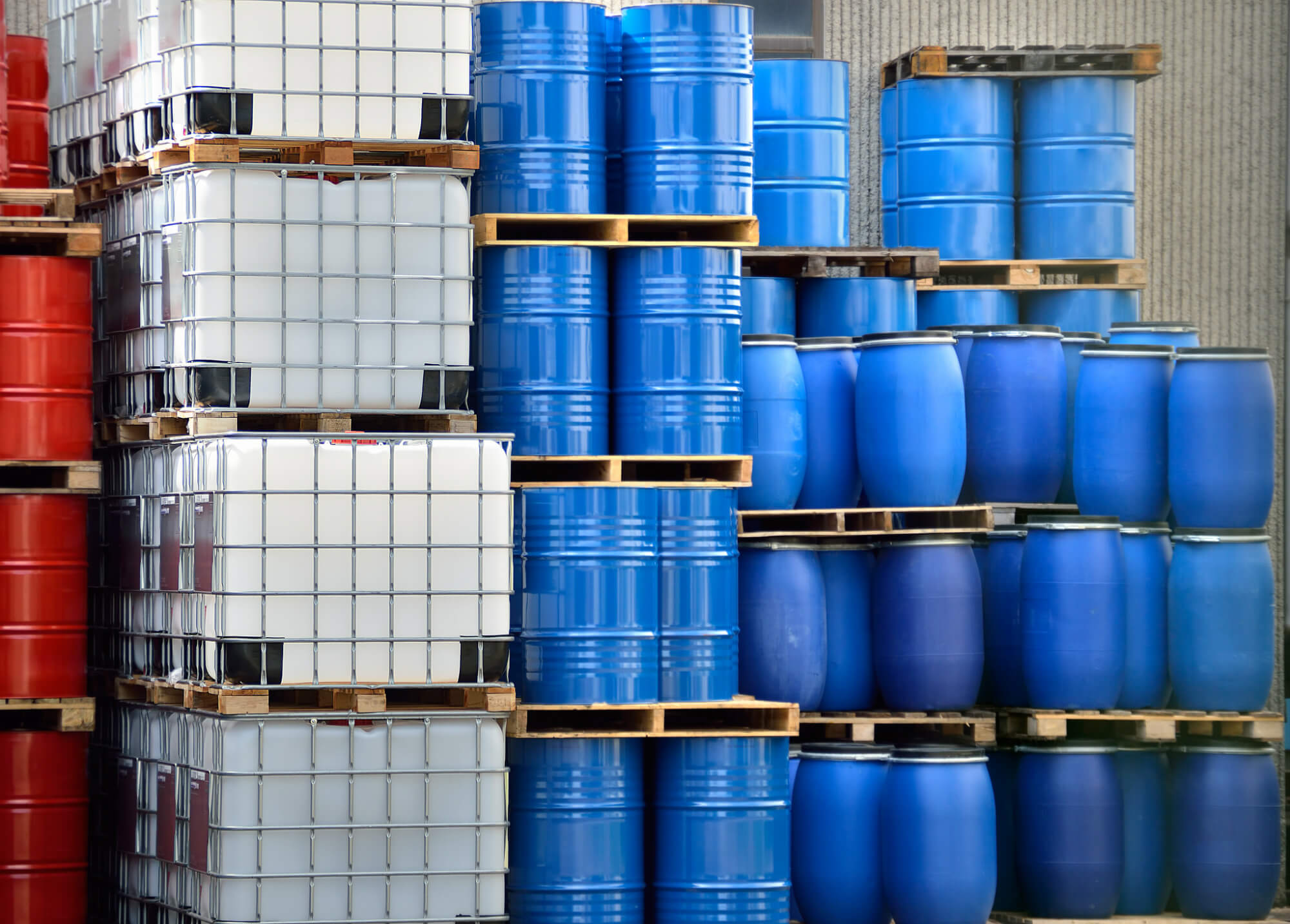
Fuel depots, farms, water-treatment plants, manufacturers, mines and chemical distributors all have to contain what they store. Concrete cracks, old coatings fail inspections, and new tanks go in every year. A trained polyurea crew can say yes to all of it.
Owners need containment that passes inspection — they're buying a fix, not a luxury.
Fast cure means more square feet per day and less downtime for the customer.
Inspections, expansions and maintenance bring customers back year after year.
Compared side-by-side with the usual options, sprayed polyurea wins on speed, flexibility and seamless coverage.
Chemical resistance always depends on the chemical, its concentration and temperature — we match every system to your customer's chemical list before you spray.
A clear, four-step path — whether you're starting from zero or adding polyurea to an existing crew.
Tell us your market, budget and the work you want. We map the containment opportunity around you.
Trailer or box-truck spray rig, proportioner, heated hose, gun, generator and air — sized to your jobs.
Mixing, ratio, temperature, surface prep, detailing and inspection — taught on real substrate.
Material supply, spec support and marketing help so you can bid, win and spray with confidence.
Plural-component proportioner, heated hose, spray gun, generator, compressor and dryer — built into a trailer or box truck and ready to roll.
Pure and hybrid polyurea, primers and polyaspartic topcoats matched to the chemicals on site.
Fundamentals, advanced lining systems and containment inspection — on real substrate, not slides.
Holiday testing, dry-film thickness and adhesion pull-offs for a defensible QA record.
Spec help on bids, marketing guidance and a listing in our coating network.
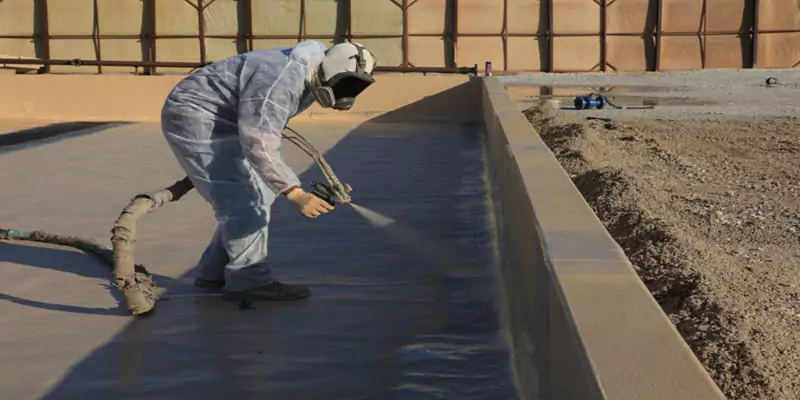
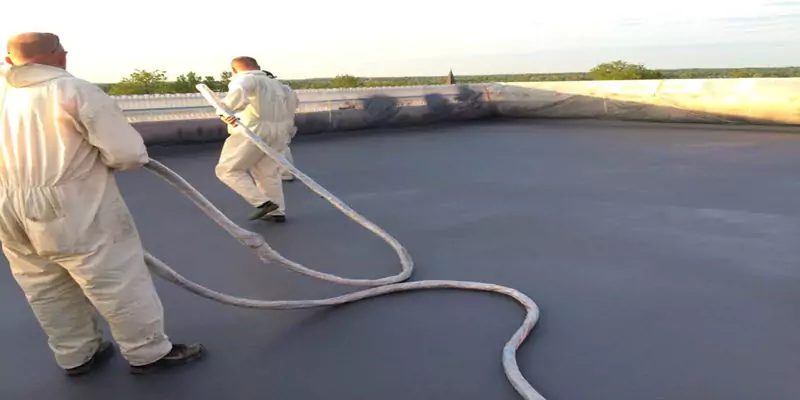
Answer three quick questions. A containment specialist will put together a plan for your market — no cost, no obligation.
Still wondering about something? Ask us directly — a real specialist answers.
It depends mostly on the spray rig — proportioner size, trailer versus box truck, generator and accessories. We price options at different budget levels so you can start where it makes sense and scale up as the work grows.
No. Many applicators start from zero. Training covers equipment, mixing and ratio, temperature, surface preparation, detailing and inspection. If you already coat, we focus on what is specific to polyurea and containment.
Polyurea handles a wide range of fuels, fertilizers, caustics and many dilute acids. Resistance always depends on the chemical, its concentration and temperature, so every system is checked against the site's chemical list — and some aggressive chemistries call for a specialized topcoat or a different system.
Surface preparation is usually the longest step. Fast-set polyurea gels in seconds and can typically return to service within hours, so many containment areas are prepped, sprayed and inspected in a few days instead of weeks.
Yes — we share how to find containment work in your area, help with specs on bids, and list trained applicators in our coating network.
Absolutely. Choose "Get my facility coated" in the form and we will connect you with a trained polyurea applicator for your area.
Get a rig, material and training plan built around your market.